-
Pinguicula (Butterwort) - Carnivorous Plant Potting Mix Soil - 500g
Regular price $14.90Sale price $14.90 Regular priceUnit price ( per )$25.00 -
Pinguicula 'Gina' (Butterwort)
Regular price $45.00Sale price $45.00 Regular priceUnit price ( per ) -
Pinguicula PE Formosa (Butterwort)
Regular price $45.00Sale price $45.00 Regular priceUnit price ( per ) -
Pinguicula moranensis ‘Rosei' (Butterwort)
Regular price $45.00Sale price $45.00 Regular priceUnit price ( per ) -
Pinguicula Sethos (ehlersiae x moranensis) (Butterwort)
Regular price From $25.00Sale price From $25.00 Regular priceUnit price ( per ) -
Pinguicula Gamma (rotundiflora x emarginata (Butterwort)
Regular price $45.00Sale price $45.00 Regular priceUnit price ( per ) -
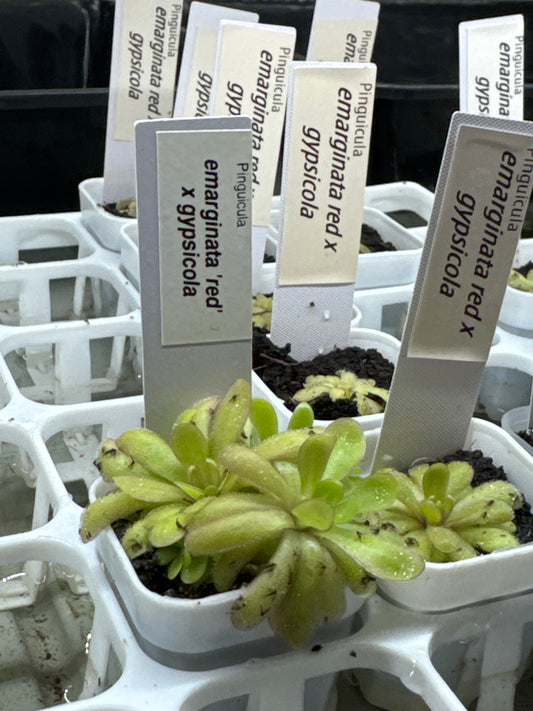
Pinguicula emarginata red x gypsicola (Butterwort)
Regular price $45.00Sale price $45.00 Regular priceUnit price ( per ) -
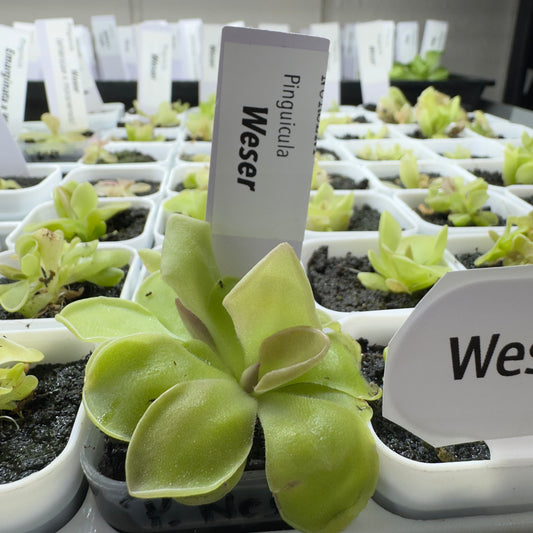
Pinguicula 'Weser' (P. ehlersiae × P. moranensis) (Butterwort)
Regular price From $20.00Sale price From $20.00 Regular priceUnit price ( per ) -
Pinguicula moranensis 'Sierra Mazatecas' (Butterwort)
Regular price $45.00Sale price $45.00 Regular priceUnit price ( per ) -
Pinguicula gigantea 'White Flower' (Giant Butterwort)
Regular price $45.00Sale price $45.00 Regular priceUnit price ( per ) -
Pinguicula potosiensis (Butterwort)
Regular price $45.00Sale price $45.00 Regular priceUnit price ( per ) -
Pinguicula agnata 'Ekuma' (Butterwort)
Regular price $45.00Sale price $45.00 Regular priceUnit price ( per ) -
Pinguicula 'Tina' (P. agnata × P. zecheri) (Butterwort)
Regular price $45.00Sale price $45.00 Regular priceUnit price ( per ) -
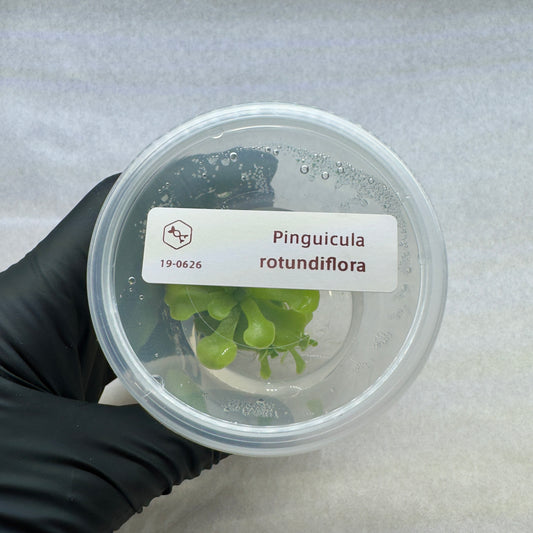
Pinguicula rotundiflora (Round-flowered Butterwort)
Regular price $45.00Sale price $45.00 Regular priceUnit price ( per ) -
Pinguicula sp. 'Huautla' (Butterwort)
Regular price $45.00Sale price $45.00 Regular priceUnit price ( per ) -
Pinguicula 'Weser' × Pinguicula jaumavensis (Butterwort)
Regular price $25.00Sale price $25.00 Regular priceUnit price ( per ) -
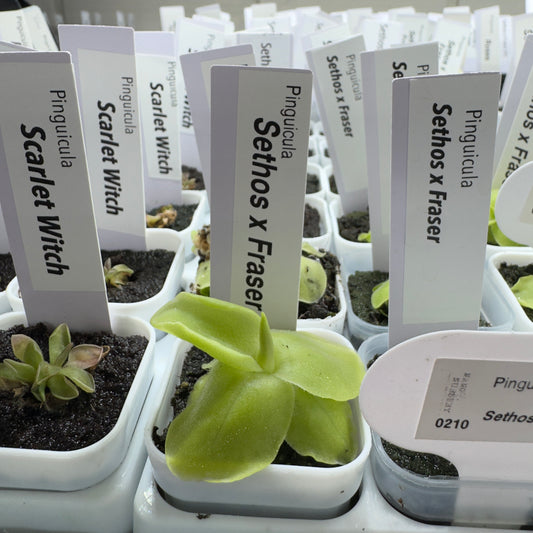
Pinguicula 'Sethos' × 'Fraser' (Butterwort)
Regular price $25.00Sale price $25.00 Regular priceUnit price ( per ) -
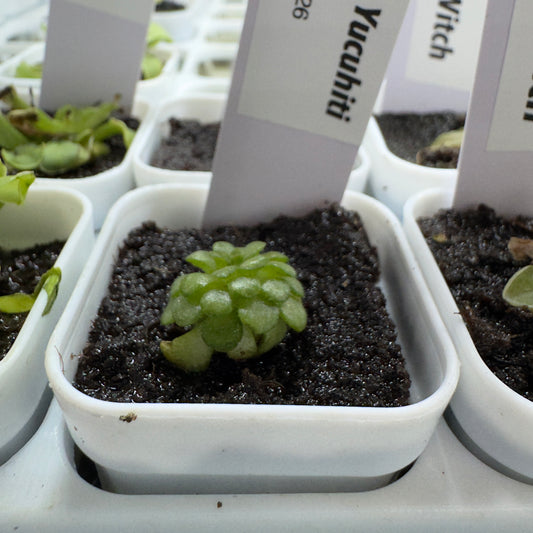
Pinguicula 'Santa María Yucuhiti' (Butterwort)
Regular price $35.00Sale price $35.00 Regular priceUnit price ( per ) -
Pinguicula primuliflora (Primrose Butterwort)
Regular price $45.00Sale price $45.00 Regular priceUnit price ( per ) -
Pinguicula moranensis 'Neovolcanica' [Pico de Orizaba] (Butterwort)
Regular price $35.00Sale price $35.00 Regular priceUnit price ( per ) -
Pinguicula moranensis 'Alba' (Butterwort)
Regular price $35.00Sale price $35.00 Regular priceUnit price ( per ) -
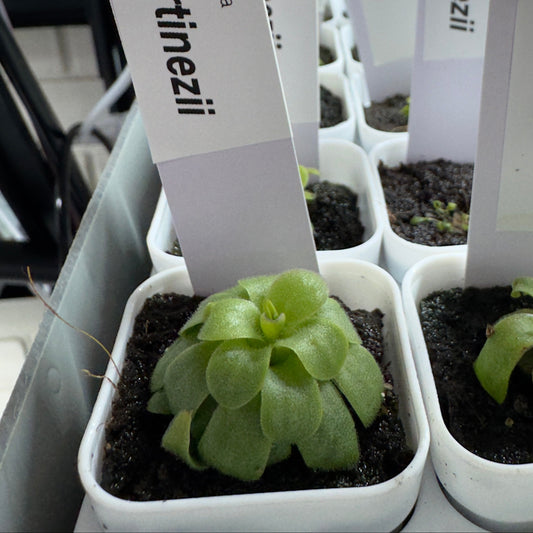
Pinguicula martinezii (Butterwort)
Regular price From $35.00Sale price From $35.00 Regular priceUnit price ( per )$45.00 -
Pinguicula laxifolia (Butterwort)
Regular price $60.00Sale price $60.00 Regular priceUnit price ( per ) -
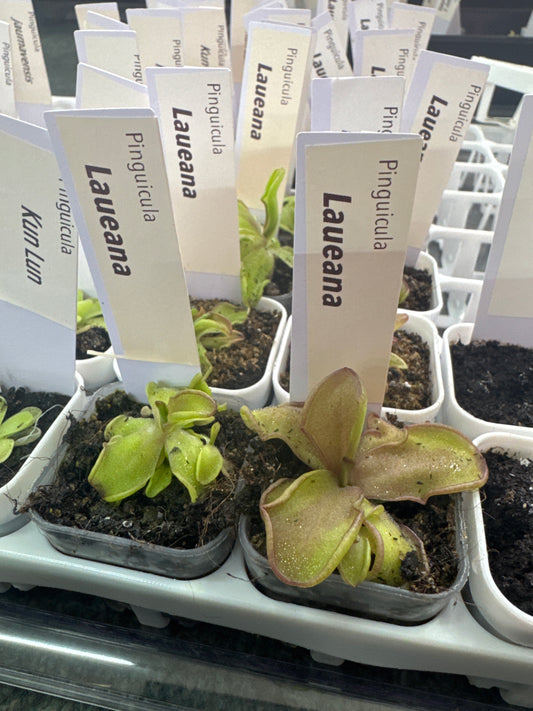
Pinguicula laueana (Butterwort)
Regular price $45.00Sale price $45.00 Regular priceUnit price ( per )

Cup-Sized Carnivores – Small Wonders, Big Bites!
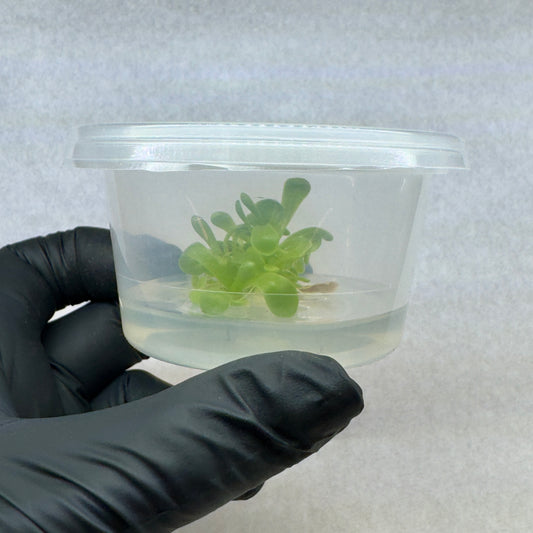
At Nano Nursery, we specialise in cultivating carnivorous plants through advanced tissue culture techniques. Our plants begin life in a sterile, lab-grade environment and are carefully transitioned into soil-filled cups to start the hardening process—ensuring each one is healthy, vigorous, and ready to thrive.
From the classic Venus Flytrap (Dionaea) to exotic Pitcher Plants (Nepenthes, Sarracenia), sparkling Sundews (Drosera), sticky Butterworts (Pinguicula), curious Bladderworts (Utricularia), and the rare Cobra Lily (Darlingtonia)—each of our cup-sized carnivores is grown with precision and care.
Whether you're a hobbyist, a collector, a terrarium builder, or a retailer, Nano Nursery offers quality, consistency, and a touch of wonder in every cup.
From tissue culture to extraordinary plants—this is Nano Nursery.