SKU:PING-1593-SO
Pinguicula mesophytica (Butterwort)
Pinguicula mesophytica (Butterwort)
Pinguicula mesophytica is one of the most unusual and botanically significant butterworts known. Endemic to a small region of Oaxaca, Mexico, it inhabits humid cloud forests where it grows as a lithophyte on moss-covered cliffs and occasionally as an epiphyte amongst dense vegetation. The species is of particular scientific interest because it displays characteristics intermediate between the tropical epiphytic butterworts and the more familiar Mexican rosette-forming species. This unique position within the genus has made P. mesophytica an important species for understanding the evolution and diversification of Pinguicula.
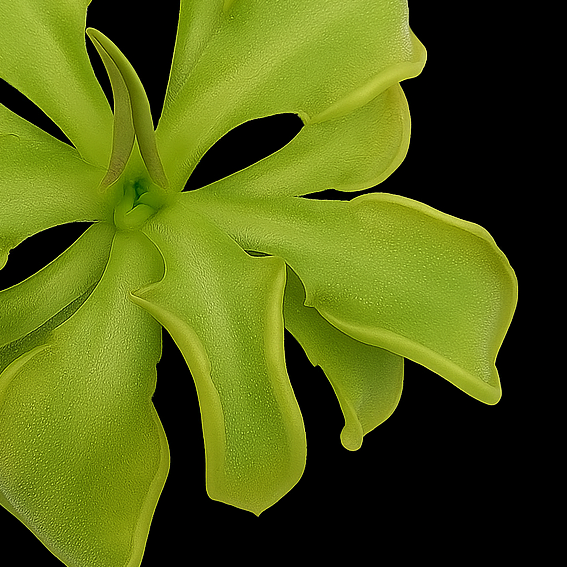
Like other butterworts, Pinguicula mesophytica captures small insects using leaves covered in microscopic glands that secrete a sticky mucilage. Tiny flies, fungus gnats, and other small invertebrates become trapped on the leaf surface, where digestive enzymes break down prey and release nutrients that are absorbed directly through the foliage. Plants produce elegant rosettes of bright green leaves that are often more elongated and upright than those of many Mexican species. During the flowering season, mature specimens produce attractive violet to lavender-purple flowers held above the foliage on slender stems, adding to the plant's ornamental appeal.
Unlike many Mexican butterworts that experience pronounced seasonal drought, Pinguicula mesophytica originates from consistently humid cloud forest environments and generally shows only a modest seasonal reduction in growth. Its unusual ecology, evolutionary significance, and relatively restricted natural distribution have made it highly sought after by collectors and researchers alike. As one of the few species linking two major evolutionary groups within the genus, Pinguicula mesophytica remains one of the most fascinating and important butterworts in cultivation.
Origin: Oaxaca, Mexico
Plant Type: Perennial carnivorous butterwort
Growth Habit: Rosette-forming lithophyte and occasional epiphyte
Flowers: Violet to lavender-purple flowers borne on slender stalks
Light: Bright indirect light to filtered sun
Water: Prefers pure water and consistent moisture throughout the year
Growing Medium: Open, mineral-rich substrate with excellent drainage and high aeration
Dormancy: Minimal or absent; growth may slow slightly during cooler periods
What's Included: One healthy Pinguicula mesophytica growing in a Nano Nursery cup, ready to continue developing under suitable conditions.
A tissue culture plants are grown in clear gel, transparent container that holds multiple young plants (typically 3 or more) grown under laboratory conditions.
Our Gel Cup are non-sterile gel media that we use for start the hardening process after a plant has been in tissue culture.These vessels provide a carefully controlled environment, keeping the plants healthy as the get ready to transition to standard growing conditions.
Quick Hardening Steps:
- Open Lid Gradually: Slightly open the cup to slowly reduce humidity.
- Maintain Humidity: Gradually decrease humidity over 2–4 weeks.
- Indirect Light: Start with gentle, indirect lighting.
- Moist Soil: Keep media damp, never wet.
- Monitor Closely: Slowly increase airflow and light exposure.


Each transparent Transition Cup (5 cm diameter × 7 cm height) contains a juvenile carnivorous plant that has moved beyond sterile tissue culture and into a structured transition medium.
Inside, you’ll find a young carnivorous plant securely planted in a semi-solid blend designed to support root development while easing the shift from gel to soil.
This carefully balanced environment maintains optimal humidity and airflow, helping reduce transplant shock and supporting the plant during this critical transition stage.
Suitable for both novice growers and experienced collectors, Transition Cups provide a reliable, low-stress way to guide delicate carnivorous plants toward successful soil establishment.
Each transparent carnivorous cup (5 cm diameter x 7 cm height) contains a juvenile carnivorous plant freshly transitioned from tissue culture.
Inside, you'll find a young carnivorous plant planted securely in special growing media soil that replicates their natural habitat.
This carefully balanced environment maintains optimal humidity, aiding the delicate plants during their crucial hardening-off stage.
Perfect for both novice growers and experienced collectors, these cups provide a simple and effective way to cultivate and enjoy captivating insect-eating plants.
Couldn't load pickup availability
Pinguicula mesophytica is one of the most unusual and botanically significant butterworts known. Endemic to a small region of Oaxaca, Mexico, it inhabits humid cloud forests where it grows as a lithophyte on moss-covered cliffs and occasionally as an epiphyte amongst dense vegetation. The species is of particular scientific interest because it displays characteristics intermediate between the tropical epiphytic butterworts and the more familiar Mexican rosette-forming species. This unique position within the genus has made P. mesophytica an important species for understanding the evolution and diversification of Pinguicula.
Like other butterworts, Pinguicula mesophytica captures small insects using leaves covered in microscopic glands that secrete a sticky mucilage. Tiny flies, fungus gnats, and other small invertebrates become trapped on the leaf surface, where digestive enzymes break down prey and release nutrients that are absorbed directly through the foliage. Plants produce elegant rosettes of bright green leaves that are often more elongated and upright than those of many Mexican species. During the flowering season, mature specimens produce attractive violet to lavender-purple flowers held above the foliage on slender stems, adding to the plant's ornamental appeal.
Unlike many Mexican butterworts that experience pronounced seasonal drought, Pinguicula mesophytica originates from consistently humid cloud forest environments and generally shows only a modest seasonal reduction in growth. Its unusual ecology, evolutionary significance, and relatively restricted natural distribution have made it highly sought after by collectors and researchers alike. As one of the few species linking two major evolutionary groups within the genus, Pinguicula mesophytica remains one of the most fascinating and important butterworts in cultivation.
Origin: Oaxaca, Mexico
Plant Type: Perennial carnivorous butterwort
Growth Habit: Rosette-forming lithophyte and occasional epiphyte
Flowers: Violet to lavender-purple flowers borne on slender stalks
Light: Bright indirect light to filtered sun
Water: Prefers pure water and consistent moisture throughout the year
Growing Medium: Open, mineral-rich substrate with excellent drainage and high aeration
Dormancy: Minimal or absent; growth may slow slightly during cooler periods
What's Included: One healthy Pinguicula mesophytica growing in a Nano Nursery cup, ready to continue developing under suitable conditions.
A tissue culture plants are grown in clear gel, transparent container that holds multiple young plants (typically 3 or more) grown under laboratory conditions.
Our Gel Cup are non-sterile gel media that we use for start the hardening process after a plant has been in tissue culture.These vessels provide a carefully controlled environment, keeping the plants healthy as the get ready to transition to standard growing conditions.
Quick Hardening Steps:
- Open Lid Gradually: Slightly open the cup to slowly reduce humidity.
- Maintain Humidity: Gradually decrease humidity over 2–4 weeks.
- Indirect Light: Start with gentle, indirect lighting.
- Moist Soil: Keep media damp, never wet.
- Monitor Closely: Slowly increase airflow and light exposure.
Each transparent Transition Cup (5 cm diameter × 7 cm height) contains a juvenile carnivorous plant that has moved beyond sterile tissue culture and into a structured transition medium.
Inside, you’ll find a young carnivorous plant securely planted in a semi-solid blend designed to support root development while easing the shift from gel to soil.
This carefully balanced environment maintains optimal humidity and airflow, helping reduce transplant shock and supporting the plant during this critical transition stage.
Suitable for both novice growers and experienced collectors, Transition Cups provide a reliable, low-stress way to guide delicate carnivorous plants toward successful soil establishment.
Each transparent carnivorous cup (5 cm diameter x 7 cm height) contains a juvenile carnivorous plant freshly transitioned from tissue culture.
Inside, you'll find a young carnivorous plant planted securely in special growing media soil that replicates their natural habitat.
This carefully balanced environment maintains optimal humidity, aiding the delicate plants during their crucial hardening-off stage.
Perfect for both novice growers and experienced collectors, these cups provide a simple and effective way to cultivate and enjoy captivating insect-eating plants.